Many online games today use ranking systems to match players with others at a similar skill level. One of the most common systems is MMR, which stands for Matchmaking Rating. MMR affects who you play with, the level of competition you face, and how fast you move up or down in ranked matches. Players who want better results often focus on mechanics, teamwork, and strategy, but many overlook the role of their Windows operating system.
A poorly optimized operating system can create lag, crashes, delays, and unstable performance. These issues can hurt gameplay, especially during important ranked matches. Even a skilled player may struggle if their computer freezes during a team fight or drops frames during fast movement. This is why players who use MMR service support or who want to improve their ranking should pay attention to system performance.
Windows is one of the most popular operating systems for gaming. It supports a wide range of games, graphics cards, gaming tools, and communication apps. However, simply installing Windows is not enough. The system needs proper maintenance and optimization to perform well in competitive gaming environments.
An optimized Windows system helps games run smoothly. It improves loading times, reduces unnecessary background activity, and supports stable internet performance. When the system is clean and properly configured, players can focus more on gameplay and less on technical issues.
How Windows Performance Affects Online Ranked Matches
Every online game depends on fast communication between your computer and the game server. When your Windows operating system is overloaded or unstable, that communication may slow down. This can affect movement, aiming, reaction time, and match consistency.
One common problem is background applications. Many programs continue running even when they are not being used. These apps consume memory, processor power, and internet bandwidth. Some examples include update services, cloud storage apps, video software, and unused browser tabs. During ranked matches, these programs can reduce game performance without the player noticing immediately.
Players who use MMR service support often aim for stable and consistent matches. Consistency becomes harder when the system is cluttered. Random frame drops or system slowdowns can interrupt important moments during gameplay. This is especially noticeable in competitive shooters, strategy games, and multiplayer battle arenas where reaction time matters.
Storage space also affects performance. A nearly full drive can slow down loading times and reduce system responsiveness. Games today require large amounts of storage. Windows also needs free space for temporary files and updates. Keeping enough available storage helps the system operate more smoothly.
Another important factor is system updates. Windows regularly releases updates for security, stability, and compatibility. Some updates improve gaming performance, while others fix problems related to drivers or hardware support. Ignoring updates for long periods can lead to crashes or compatibility issues with newer games.
Graphics drivers are closely connected to Windows performance. Drivers allow the graphics card to communicate with the operating system. Outdated drivers can cause visual bugs, poor frame rates, or game crashes. Players who want reliable ranked performance should regularly check for updated graphics drivers from trusted sources.
Windows settings also affect gaming experience. Features like Game Mode, graphics performance settings, and power managementcan influence how games run. Many players use balanced power settings by default, but switching to performance-focused settings can help maintain smoother gameplay during long sessions.
Internet performance is another area affected by the operating system. Windows controls network activity, updates, and bandwidth usage. If downloads or updates begin during a match, ping spikes may occur. High ping can delay actions and create frustrating gameplay experiences. Players should disable unnecessary downloads while gaming to avoid interruptions.
Security tools also play a role. Antivirus software protects the system, but some programs run heavy scans in the background. These scans can reduce game performance. Instead of disabling security completely, players should adjust schedules so scans happen outside gaming hours.
Many competitive players also customize Windows for lower latency. They disable visual effects, remove startup apps, and optimize system settings for gaming performance. These adjustments help the computer focus more resources on the game itself.
A stable Windows system is especially important for players climbing ranked ladders. MMR progression often depends on consistency over many matches. Small technical problems repeated over time can lead to lost games and lower rankings. This is why system optimization matters just as much as practice and teamwork.
Important Windows Settings and Tools for Better MMR Service Support
Players do not always need expensive hardware upgrades to improve performance. In many cases, proper Windows optimization can already create noticeable improvements. Several built-in tools and settings can help games run more smoothly.
Game Mode is one of the first features players should check. Windows Game Mode helps prioritize gaming processes by reducing background activity. It allocates more system resources to the active game. While the improvement may vary depending on the system, many players notice more stable gameplay after enabling it.
Startup management is another important step. Many apps automatically launch when Windows starts. Over time, this can slow down boot times and consume resources in the background. The Task Manager allows users to disable unnecessary startup programs. Keeping startup apps minimal helps the system run cleaner.
Disk cleanup is also useful. Temporary files, update leftovers, and unused data can fill storage space. Windows includes cleanup tools that help remove unnecessary files safely. A cleaner drive often improves loading speed and general responsiveness.
Players should also monitor system temperatures. Overheating can reduce performance because the system automatically lowers speed to prevent damage. Dust buildup, poor airflow, or blocked cooling fans can increase heat. Cleaning the computer regularly and ensuring proper ventilation helps maintain stable performance during gaming sessions.
Graphics settings inside Windows can also be adjusted. Players can assign high-performance mode to specific games. This tells the system to prioritize the game over less important tasks. Some players also disable unnecessary animations and transparency effects to reduce system load.
Internet optimization is another major focus for ranked gaming. Wired connections are usually more stable than Wi-Fi. Ethernet connections reduce interference and often provide lower latency. If Wi-Fi must be used, the router should be placed near the gaming device, and other heavy internet activities should be limited during matches.
Power settings are often overlooked. Many computers use balanced or power-saving modes by default. These settings may reduce processor speed to save energy. Switching to High Performance mode allows the system to maintain stronger performance during demanding games.
Windows Defender and other security tools should also be configured properly. Excluding game folders from real-time scanning can sometimes reduce interruptions during gameplay. However, players should still maintain good security habits and avoid downloading suspicious files or unofficial software.
Players involved in MMR service improvement also benefit from system monitoring tools. Programs that display CPU usage, GPU usage, frame rate, and temperatures help identify performance issues. If frame rates suddenly drop, monitoring tools can reveal whether the problem comes from overheating, memory limits, or background processes.
Communication apps are another part of ranked gaming. Team-based games rely heavily on voice coordination. Windows audio settings should be configured properly to avoid microphone problems, static noise, or delayed communication. Clear communication helps teams react faster and coordinate more effectively.
Some players also use recording software or live streaming tools. These programs can consume significant resources if not configured correctly. Lower recording quality or hardware encoding can reduce the impact on game performance. Players should test settings before competitive matches to avoid unexpected lag.
Backup and recovery tools are also important. System crashes or corrupted files can interrupt gaming schedules. Keeping backups of important settings and files makes recovery easier if problems occur. Windows offers restore points and recovery options that can help repair issues without fully reinstalling the operating system.
Long-Term Windows Maintenance for Ranked Gaming Success
Improving ranked performance is not only about quick fixes. Long-term maintenance is necessary for stable gaming experiences. Players who regularly maintain their Windows systems often experience fewer technical problems and more consistent match quality.
Regular updates are one of the simplest habits to follow. Windows updates, graphics drivers, and game patches all contribute to better compatibility and performance. Delaying updates for too long may create issues with newer game versions or online services.
Cleaning unused programs is also important. Over time, many systems collect apps that are no longer needed. Some of these apps continue running services in the background. Removing unnecessary software helps free storage space and system resources.
Players should also restart their systems regularly. Many users leave their computers running for long periods without rebooting. Restarting clears temporary memory usage and refreshes system processes. This simple habit can improve stability before gaming sessions.
Malware and suspicious software should be avoided completely. Some unofficial tools promise gaming advantages but may contain harmful files. Malware can slow down systems, damage files, or compromise personal information. Players should only download software from trusted sources.
A stable gaming routine also helps maintain system health. Long gaming sessions without breaks can increase system temperatures and reduce focus. Taking short breaks allows both the player and the computer to cool down. This can improve long-term performance and comfort.
Players who rely on MMR service support should also monitor their gameplay habits. Technical improvements alone will not guarantee ranking progress. Players still need to improve map awareness, communication, positioning, and game knowledge. Windows optimization simply removes technical barriers that can hold players back.
It is also useful to test settings gradually. Making too many changes at once can create confusion. Players should adjust one setting at a time and observe the results. This helps identify which changes improve performance and which do not.
Gaming communities often share optimization guides, but not all advice is reliable. Some extreme tweaks may create system instability. Players should focus on safe and proven methods instead of risky modifications. Stability is more important than chasing tiny performance gains.
Windows optimization also supports confidence during competitive matches. Players perform better when they trust their system. Constant worry about lag, crashes, or freezing can create stress and distraction. A stable system allows players to focus fully on decision-making and teamwork.
Modern online games continue becoming more demanding. Future updates often require better optimization and stronger system management. Learning how to maintain Windows properly is becoming an important skill for competitive gamers.





 Many online games today use ranking systems to match players with others at a similar skill level. One of the most common systems is MMR, which stands for Matchmaking Rating. MMR affects who you play with, the level of competition you face, and how fast you move up or down in ranked matches. Players who want better results often focus on mechanics, teamwork, and strategy, but many overlook the role of their Windows operating system.
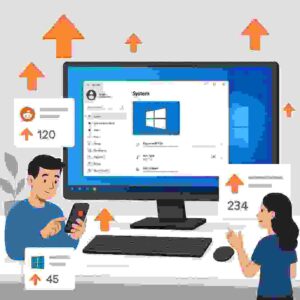 Reddit is one of the largest discussion platforms on the internet. Millions of users visit the site every day to talk about technology, gaming, software, and operating systems. The Windows operating system is one of the most discussed topics in many tech communities. Subreddits related to Windows often include users who share troubleshooting tips, software reviews, updates, and productivity advice.
 The Windows operating system is one of the most familiar tools in modern computing. It powers millions of computers in homes, schools, and workplaces. Many people use it daily but do not know how it works behind the scenes. At the same time, another topic that affects many online users is the idea of a shadowban, good thing is shadowban explained here. Both subjects seem unrelated, but they share a common theme. They both involve systems running in the background that influence your experience without always being obvious.